Sports
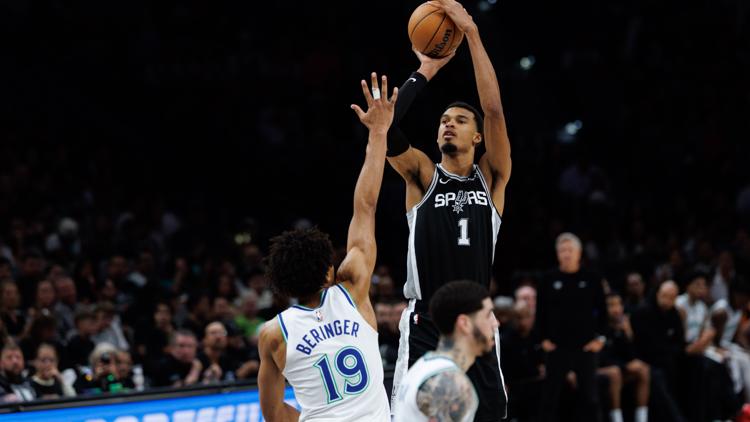
Victor Wembanyama wins first Western Conference Player of the Week of the season, fourth of career
By Marcus Lee
Advertisement · Why this ad?
A former collegiate athlete, Isabella graduated from Texas State University with a degree in Sports Management and has covered high school sports for the San Antonio Express-News for five years. Her unique insight into the local sports culture allows her to connect with fans and players alike.
More from Isabella →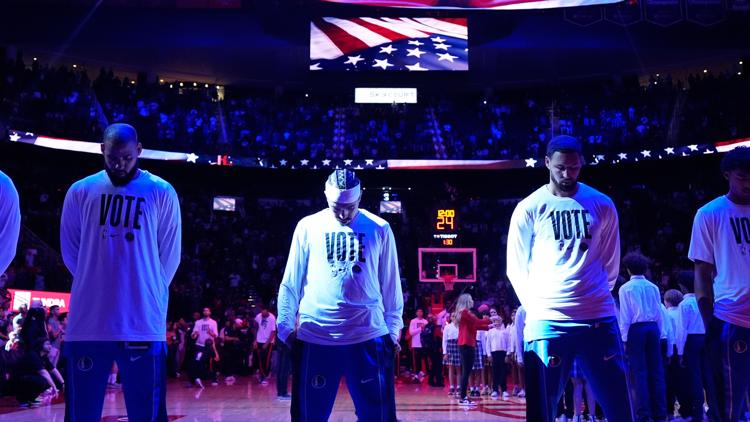
As the sun sets on the vibrant city of San Antonio, the streets pulse with excitement. Families gather around dinner tables, discussing the upcoming Election Day and the power of their votes. Amidst the chatter, a common question arises: why are there no NBA games on this significant day? The answer lies in the league's commitment to civic engagement, embodied in their "Get in the Game. VOTE." campaign.
The NBA has taken a bold stand in promoting democracy by ensuring that fans have the opportunity to exercise their right to vote without the distraction of scheduled games. This initiative reflects a broader trend among professional sports leagues to engage with social issues, particularly those that resonate deeply within communities.
By not scheduling any games on Election Day, the NBA sends a clear message: voting is a priority. The league encourages players, fans, and communities to participate actively in the electoral process. This decision is not just about avoiding scheduling conflicts; it’s about fostering a culture of civic responsibility.
Since the inception of the "Get in the Game. VOTE." campaign, the NBA has aimed to increase voter turnout, especially among younger demographics who are often underrepresented at the polls. This initiative aligns with the league's values of inclusivity and community engagement, making a statement that resonates with fans across the nation.
The NBA's commitment to civic engagement isn't new. The league has a history of addressing social issues, dating back to the 1960s when players like Bill Russell and Kareem Abdul-Jabbar used their platforms to advocate for civil rights. In recent years, this advocacy has taken on new forms, particularly in response to movements like Black Lives Matter. The league's decision to refrain from scheduling games on Election Day is a continuation of this legacy, emphasizing the importance of voter participation as a fundamental right.
The impact of this decision extends beyond the hardwood floors of the arenas; it touches the very fabric of communities. In San Antonio, where basketball is more than just a sport—it's a way of life—this initiative encourages families to prioritize their civic duties.
Local organizations have praised the NBA's efforts, recognizing the importance of fostering a culture where voting is seen as a vital part of being a responsible citizen. By providing a day free from NBA games, the league allows fans to focus on what truly matters: making their voices heard.
Moreover, this initiative opens up discussions within families about the importance of voting. Parents can share their experiences and values with their children, instilling a sense of civic duty that can last a lifetime. In a time when communities face challenges, encouraging active participation in democracy can lead to meaningful change.
Local community leaders, such as San Antonio's Mayor Ron Nirenberg, have expressed their support for the NBA's initiative. Mayor Nirenberg stated, "When major organizations like the NBA take a stand, it amplifies the message that every vote counts. It’s vital for our democracy, especially in a diverse city like San Antonio where every voice matters." His sentiments reflect the collective hopes of many residents who believe that civic engagement can lead to improvements in local governance and community well-being.
Additionally, grassroots organizations such as the San Antonio League of Women Voters have been actively promoting the importance of voting, particularly among young voters. Their outreach efforts, which include educational workshops and community forums, align with the NBA's objectives, creating a synergistic effect that encourages higher voter turnout.
Looking ahead, the NBA is expected to continue its advocacy for voter engagement. As Election Day approaches, the league will likely ramp up its promotional efforts, reminding fans of the importance of their votes. This strategy not only reinforces the league's commitment to social issues but also strengthens the bond between players and their communities.
In the coming seasons, we can anticipate more initiatives that encourage civic participation. The NBA's collaboration with local organizations and advocacy groups can further amplify their message, reaching even more fans and inspiring them to take action.
As part of its ongoing commitment, the NBA may explore partnerships with local schools and educational institutions to promote voter education. Programs that teach students about the voting process, the significance of civic engagement, and how to make their voices heard can build a foundation for lifelong voting habits. In San Antonio, schools can implement programs that coincide with the NBA's campaigns, ensuring that the message resonates with the youth.
Moreover, players themselves can play a pivotal role in this initiative. Many NBA athletes have large social media followings and can use their platforms to encourage fans to vote. By sharing personal stories about their voting experiences or discussing the issues that matter to them, players can inspire their audiences to take action.
As the league continues to champion the cause of democracy, it sets an example for other sports organizations to follow. The hope is that this movement will inspire fans across all sports to prioritize their civic responsibilities, creating a culture where voting becomes a celebrated tradition.
In San Antonio, the NBA's initiative resonates particularly well due to the city's rich cultural diversity and history of civic participation. The city has a vibrant community of activists and organizations dedicated to ensuring that all voices are heard in the democratic process. For instance, the San Antonio Coalition for Voter Engagement has been instrumental in mobilizing voters, particularly in underrepresented neighborhoods. Their efforts complement the NBA's campaign, creating a robust network of civic engagement.
Local resident Maria Gonzalez shared her thoughts on the importance of the NBA's decision. "In our community, basketball brings us together, and when the NBA chooses to prioritize voting, it shows that they care about our voices. It’s not just about the game; it’s about our future and the issues that affect us every day," she said. Her perspective highlights the deep connection between sports and community identity, reinforcing the idea that civic engagement is a shared responsibility.
To ensure that the message of civic engagement reaches younger audiences, the NBA and local organizations can collaborate on youth-driven initiatives. Programs that combine basketball clinics with civic education can engage young athletes, teaching them the importance of voting while they develop their skills on the court. This approach not only promotes physical health but also nurtures informed citizens who understand their role in shaping their communities.
Furthermore, the NBA can leverage its influence by hosting events that celebrate Election Day, such as community gatherings or voter registration drives at local arenas. These events can create a festive atmosphere around voting, making it an exciting part of the community's culture.
As the NBA continues to prioritize civic engagement, it sets a powerful example of how sports can be a catalyst for social change, encouraging fans to embrace their role in democracy.
By Marcus Lee

By Marcus Lee

By Marcus Lee
By Isabella Cortez