Community
Man accused of sexually assaulting minor on Six Flags Fiesta Texas ride, court documents allege
By Monica Ramirez
Advertisement · Why this ad?
Lily is a graduate of the University of the Incarnate Word with a degree in Public Health and has been working as a reporter focusing on health issues in the community for over four years. She previously contributed to local health magazines and is passionate about improving public health awareness in San Antonio.
More from Lily →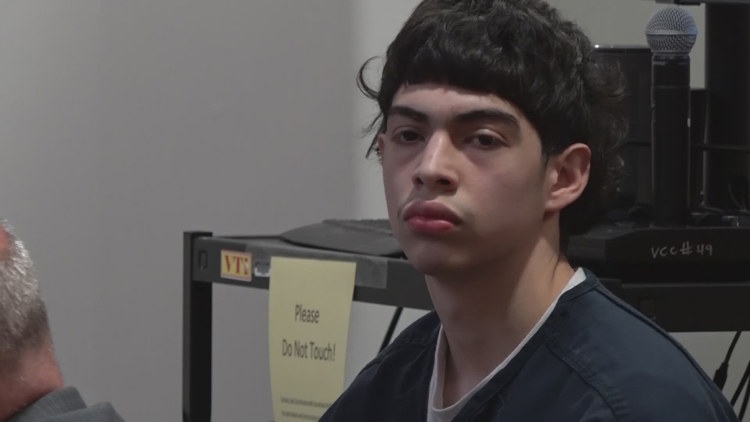
On a chilly December evening in San Antonio, the community was shaken by a tragic shooting that claimed a young life and left many questioning the safety of their neighborhoods. Among the residents was Maria Lopez, a mother of three, who recalls hearing the gunfire while preparing dinner. Her youngest, just 10 years old, was frightened and confused, asking if they were safe. This heartbreaking scene underscores the profound impact violence has on families and the fabric of our city.
In a decisive move, a Bexar County judge has recently certified 17-year-old JayRobert Rangel to stand trial as an adult on charges of murder and six counts of aggravated assault. The incident occurred last December, when a dispute escalated into gunfire at a local gathering, resulting in the death of a young man and injuries to multiple others. The decision to move Rangel to adult court reflects the seriousness of the crime and the community’s demand for justice.
According to court documents, Rangel was identified through witness testimonies and forensic evidence linking him to the scene. The murder charge carries a potential life sentence if convicted, highlighting the gravity of the case. Prosecutors argue that the violence was deliberate and avoidable, emphasizing the importance of holding juvenile offenders accountable when their actions threaten public safety.
In Texas, juvenile cases involving serious crimes like murder are often transferred to adult court, especially when prosecutors believe the offender’s actions warrant it. This practice is rooted in a desire to ensure justice for victims and to reflect the severity of the crime. Yet, it also raises questions about rehabilitation and the long-term implications for young offenders. For Rangel, this shift signifies a pivotal moment in his life, with potential consequences that could shape his future for decades.
San Antonio, like many cities across Texas, has grappled with the challenge of balancing justice and rehabilitation for youth offenders. The city’s juvenile justice system is designed to prioritize rehabilitation, but when crimes involve violence, especially murder, the legal landscape shifts. The process of certifying a juvenile to stand trial as an adult is complex, involving evaluations of the offender’s maturity, the nature of the crime, and the community’s safety concerns. In Rangel’s case, the court’s decision reflects the serious nature of the allegations and the community’s demand for accountability.
Local advocates for juvenile justice argue that such transfers should be reserved for the most egregious cases, emphasizing that early intervention and community-based programs can prevent youth violence before it escalates to criminal acts. Conversely, families of victims often feel that justice must be swift and uncompromising, especially when lives are lost or irreparably changed. The debate over how to treat juvenile offenders remains a contentious issue in San Antonio and across Texas, highlighting the need for nuanced policies that consider both justice and rehabilitation.
The community’s response has been a mixture of grief, frustration, and calls for action. Local leaders, including San Antonio Mayor Ron Nirenberg, have expressed their condolences to the victim’s family while urging continued efforts to combat youth violence. “Our neighborhoods deserve safety and peace, and we must work together to prevent tragedies like this from recurring,” Nirenberg stated during a recent press conference.
Parents and residents are particularly concerned about the prevalence of gun violence among youth. Community organizations such as San Antonio’s health department have launched initiatives aimed at youth engagement and violence prevention, emphasizing the importance of mentorship and community support in steering young people away from crime.
For families like the Lopezs, the loss is personal and enduring. “We pray for justice, but also for healing,” Maria Lopez shared. The case highlights the societal costs of high youth violence rates, which threaten the stability of families and communities built on strong faith and commitment. Many believe that fostering authentic relationships and faith-based programs can serve as a powerful deterrent against future tragedies.
Faith communities across San Antonio are organizing vigils and support groups, reaffirming their role in nurturing hope and resilience. As the city grapples with these difficult issues, the importance of strong marriages and intact families remains central to building a safer, more compassionate community.
San Antonio is a city rich in cultural diversity and community spirit, but it faces persistent challenges related to youth violence, especially in economically disadvantaged neighborhoods. The incident involving Rangel is not isolated; it reflects broader systemic issues such as poverty, lack of access to quality education, and limited recreational opportunities for young people. These factors contribute to a cycle of violence that affects families across the city, particularly in neighborhoods like the West Side, East Side, and parts of South San Antonio.
Local leaders have long recognized that addressing youth violence requires a multi-faceted approach. The San Antonio Police Department (SAPD) has increased patrols in high-crime areas and partnered with community organizations to promote youth engagement programs. Initiatives like the Youth engagement efforts in San Antonio aim to provide alternatives to violence, such as sports leagues, mentorship programs, and job training.
Community activists emphasize that the community’s resilience is rooted in its collective efforts. Organizations like the San Antonio Youth City Council and local faith-based groups are working tirelessly to foster safe spaces and provide support networks for at-risk youth. The city’s efforts are complemented by local schools implementing conflict resolution and mental health programs designed to intervene before violence occurs.
Among those speaking out is Carlos Mendoza, director of a local nonprofit dedicated to youth mentoring. “When young people see hope and opportunity, they’re less likely to turn to violence,” Mendoza said. “But we need sustained investment and community buy-in to make lasting change.”
Additionally, many residents express concern about the long-term mental health impacts of violence on children and teens. Local clinics and mental health organizations are increasing their outreach, offering counseling and trauma support to young victims and witnesses of violence. The community’s collective response underscores a recognition that healing must be holistic, addressing both physical safety and emotional well-being.
The upcoming court proceedings will determine Rangel’s fate and set a precedent for how juvenile offenders are treated in cases of serious violence. Advocates for justice emphasize the need for a balanced approach that considers both accountability and rehabilitation. Meanwhile, community leaders are calling for increased investment in youth programs that address the root causes of violence, such as poverty, lack of opportunity, and broken family structures.
San Antonio’s policymakers are also under pressure to review and strengthen juvenile justice policies, ensuring they are fair yet firm. Discussions include expanding diversion programs that keep youth out of detention while providing necessary intervention services. The city’s focus is on creating pathways for young people to escape cycles of violence and poverty, fostering hope for a healthier future.
As San Antonio moves forward, fostering a culture of faith, commitment, and community support will be vital. The hope is that through collective effort, the city can reduce its youth violence rates and create a safer environment where families can thrive. The tragedy of December’s shooting serves as a stark reminder of the work that remains, but also the resilience of a community committed to healing and hope.
By Monica Ramirez
By Monica Ramirez

By Lily Nguyen

By Lily Nguyen