Community
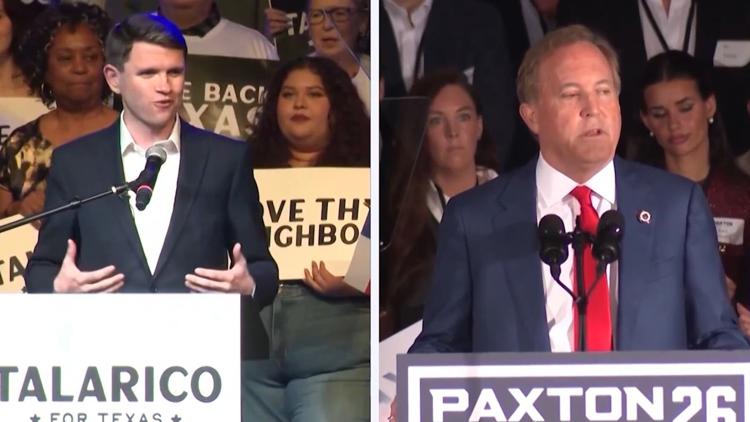
Election 2026: James Talarico, Ken Paxton battle for US Senate seat; Here's where they stand on issues
By Lily Nguyen
Advertisement · Why this ad?
Monica Ramirez has over 15 years of experience in journalism, holding positions at the San Antonio Express-News and Texas Public Radio. She graduated from the University of Texas at Austin with a degree in Journalism and has a passion for uncovering community stories that often go untold.
More from Monica →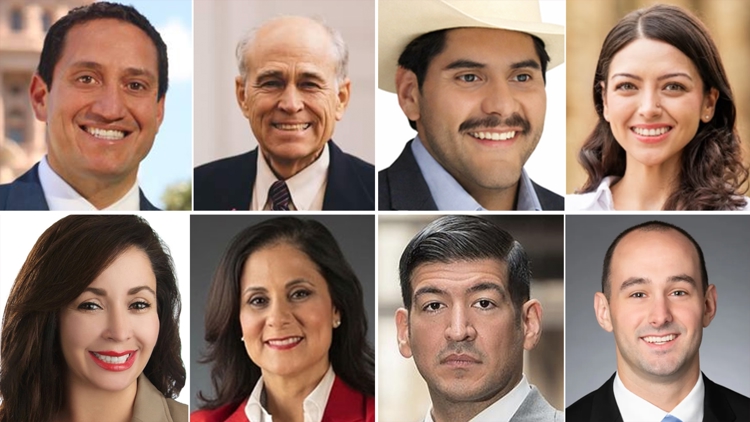
As the sun sets over the vibrant city of San Antonio, the air is filled with anticipation and excitement. Local residents gather at community centers, coffee shops, and parks, engaging in lively discussions about the upcoming elections. Among them is Maria Gonzalez, a mother of three, who believes that the future of her children depends on the choices made at the polls. "Every vote counts, especially in our neighborhoods. We need representatives who truly understand our struggles and aspirations," she says, her passion evident in her voice.
As Texas gears up for the 2026 elections, the spotlight is on the candidates vying for seats in the Texas House of Representatives, particularly in the San Antonio area. Districts 116, 117, 118, 119, 121, 122, 124, and 125 are poised for a competitive race, with a diverse slate of candidates eager to represent their constituents. These districts encompass a rich tapestry of communities, each with unique needs and challenges.
In District 116, incumbent Democrat Justin Rodriguez seeks re-election, facing challenges from Republican hopefuls who aim to unseat him. Rodriguez has been a strong advocate for education reform and healthcare access, issues that resonate deeply with local families. His efforts to secure funding for local schools and improve healthcare services have made a tangible impact on the community, earning him a loyal base of supporters.
Meanwhile, District 117 features a compelling match-up between Democrat Philip Cortez and Republican challenger Josey Garcia. Cortez has focused on improving public safety and economic development, while Garcia emphasizes fiscal responsibility and community engagement. The candidates have participated in several debates, where they have articulated their visions for the district, addressing concerns about crime rates and local business support.
District 118 is represented by Elizabeth “Liz” Campos, a Democrat who has made significant strides in advocating for environmental sustainability and affordable housing. Her opponent, Joe Pacheco, a Republican, aims to bring a different perspective, focusing on job creation and business incentives. The district has seen a growing concern over housing affordability, and both candidates have been vocal about their plans to address these pressing issues.
In District 119, the race heats up with Democrat Trey Martinez Fischer seeking another term against Republican Michael C. Rodriguez. Martinez Fischer has been a vocal advocate for social justice and education funding, while Rodriguez emphasizes the need for lower taxes and enhanced local services. The candidates have been actively engaging with community leaders to discuss how their policies will impact education and social equity.
District 121 is represented by Diego Bernal, a Democrat known for his commitment to community organizing and grassroots initiatives. His opponent, Republican Cynthia B. Rodriguez, is focused on promoting family values and strengthening local economies. Bernal's dedication to community service is reflected in his numerous outreach programs, which have garnered support from various local organizations.
In District 122, the election features Democrat Rafael Anchia, who has championed healthcare reform and education policy, and Republican challenger Veronica Escobar, who prioritizes economic growth and public safety. The candidates have been meeting with local healthcare providers and educators to understand the challenges faced by these sectors and to articulate their plans for improvement.
District 124 sees the candidacy of Democrat Mary Gonzalez, who has focused on LGBTQ+ rights and education, while Republican David L. Rodriguez emphasizes family-oriented policies and fiscal conservatism. The diversity of issues being discussed reflects the community's varied demographics, with candidates addressing the needs of all constituents.
As candidates ramp up their campaigns, community engagement is at an all-time high. Local organizations and advocacy groups are hosting forums and town hall meetings, encouraging residents to voice their concerns and ask tough questions. Families like the Garcias, who have lived in San Antonio for decades, are eager to learn about the candidates' positions on issues that matter most to them. The Garcias have been attending local events to engage with candidates directly, sharing their experiences and advocating for policies that would benefit their community.
“It’s essential for us to understand who we are voting for and how they plan to support our community,” says Maria Garcia, a local teacher. “Education, healthcare, and job opportunities are critical. We want to ensure our voices are heard.” The importance of these elections is palpable, with many residents expressing their hopes for change and improvement in their neighborhoods.
As the election approaches, candidates are not only focusing on their platforms but also on building connections with voters. Many are utilizing social media platforms to share their messages and engage in meaningful conversations. For instance, District 125 candidate Michelle Beckley, a Democrat, has been active on social media, hosting live Q&A sessions to discuss her views on education and healthcare. Her approach has resonated particularly with younger voters, who are increasingly using digital platforms to engage with politics.
“I want my constituents to feel like they can reach out to me at any time,” Beckley says. “It’s about building trust and showing that I genuinely care about the issues affecting our families.” This level of accessibility has set a new standard for candidate engagement in the area, as voters appreciate the opportunity to interact directly with those seeking to represent them.
As we look ahead to the election, the stakes are high for San Antonio residents. The outcomes in these districts will shape the future of policies that impact education, healthcare, and economic development. Voters are encouraged to educate themselves about the candidates and their platforms, ensuring that they make informed decisions at the ballot box. Engaged citizens are the backbone of a functioning democracy, and local leaders emphasize the importance of participation in the electoral process.
Local organizations, such as the San Antonio Chamber of Commerce and San Antonio Parks and Recreation, are providing resources to help residents learn more about the candidates and their positions. Additionally, upcoming voter registration drives aim to empower community members to participate in the electoral process. These initiatives are crucial in fostering a politically aware and active community.
Ultimately, the 2026 elections present an opportunity for San Antonio families to shape their community’s future. As Maria Gonzalez reflects, “It’s about our children’s future. We need leaders who will prioritize our needs and values.” The collective voice of the community will be instrumental in determining the direction of local policies and initiatives, making this election a pivotal moment for San Antonio.
By Lily Nguyen
By Monica Ramirez
By Monica Ramirez

By Lily Nguyen