
Community
He broke the Astros hearts. Now he reportedly wants to manage them.
By Monica Ramirez
Advertisement · Why this ad?
Lily is a graduate of the University of the Incarnate Word with a degree in Public Health and has been working as a reporter focusing on health issues in the community for over four years. She previously contributed to local health magazines and is passionate about improving public health awareness in San Antonio.
More from Lily →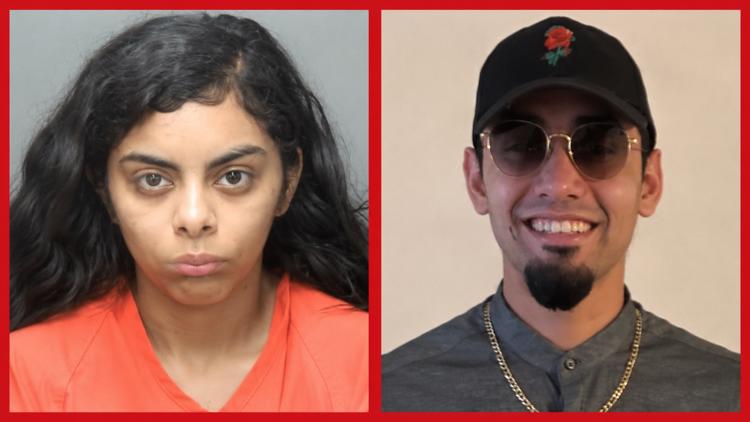
On a quiet afternoon in San Antonio, friends and family gathered to remember Lucio Carmona, a beloved member of the community whose life was tragically cut short. The atmosphere was heavy with grief as attendees shared stories, reflecting on the impact Carmona had on their lives. It was during this somber gathering that the news broke: Clarissa Guillen had been sentenced to nine years in prison, a verdict that resonated deeply within the community.
Clarissa Guillen, 25, was sentenced to nine years for her role in the aggravated robbery that ultimately led to the death of Lucio Carmona. Guillen pleaded guilty after cooperating with authorities in the prosecution of David Taije Castleberry, who was convicted of murder and received a life sentence for his actions. This case has drawn significant attention, highlighting the ripple effects of crime within the community.
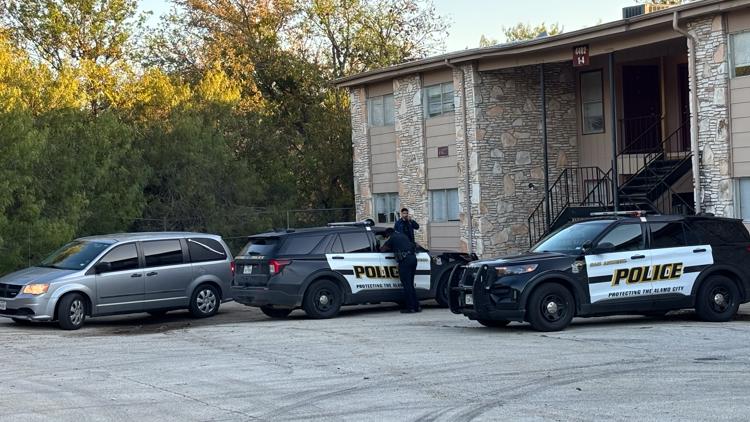
The tragic events unfolded in late 2022 when Carmona was fatally shot during a robbery gone wrong. Guillen's involvement was initially unclear, but as the investigation progressed, it became evident that she played a critical role in the incident. Her cooperation with law enforcement has been seen as a pivotal factor in securing Castleberry's conviction, yet it also raises questions about accountability and the consequences of crime.
In court, Guillen expressed remorse for her actions, stating, "I never intended for this to happen. I wish I could take it back." Her plea for leniency was met with mixed reactions from the public, emphasizing the complexity of the situation. While some view her cooperation as a step toward justice, others believe her actions contributed to a tragic outcome that forever altered the lives of many.
The sentencing of Guillen has sparked a wave of reactions across San Antonio, with community members voicing their opinions on social media and in local forums. Many are grappling with the implications of her plea deal and the broader context of crime in their neighborhoods. Some residents have expressed sympathy for Guillen, citing her youth and the potential for rehabilitation. Others, however, feel that she should face harsher consequences for her involvement in a crime that resulted in loss of life.
Community leaders have weighed in on the issue, emphasizing the need for open dialogues about crime prevention and the importance of supporting victims' families. Local activist Maria Torres stated, "We must remember that behind every crime, there are real people affected. It’s not just about the perpetrators; it’s about the victims and their families who have to live with the aftermath." This sentiment has resonated with many, prompting discussions about how to foster safer environments.
As the community processes the sentencing, there is a growing call for programs aimed at addressing the root causes of crime. Initiatives focused on youth engagement, mental health resources, and family support are being advocated to prevent future tragedies. The hope is that by investing in the community, residents can work together to create a safer and more supportive environment for all.
The death of Lucio Carmona has left a profound impact not only on his family but also on the entire community. His mother, Rosa Carmona, spoke out following the sentencing, sharing her heartbreak and the void left in her life. "No sentence can bring my son back, but I hope that justice serves as a reminder of the consequences of crime," she said. Her words echo the sentiments of many families who have experienced similar losses.
Families affected by crime often face a myriad of challenges, including emotional trauma, financial strain, and a sense of insecurity. The ripple effects can be devastating, leading to a cycle of pain that can last for generations. Community organizations are stepping up to provide support for those in need, offering counseling services and resources to help families navigate their grief and rebuild their lives.
In response to the tragedy, local nonprofits are also working to create programs that promote healing and resilience. By fostering connections among families who have experienced loss, these organizations aim to create a support network that emphasizes hope and recovery. The goal is to transform the pain of loss into a catalyst for positive change within the community.
Recognizing the need for support in the aftermath of such tragedies, various community resources are available for those affected by crime. Organizations like the San Antonio Department of Health offer mental health services, while groups like 211 Texas can connect individuals with local resources for counseling and support.
Additionally, the Family Service Association provides programs designed to help families cope with trauma and rebuild their lives. These services are vital for those navigating the complexities of grief and loss, offering a lifeline during some of the darkest moments.
Furthermore, community centers across San Antonio are hosting workshops and support groups aimed at fostering resilience and healing. These initiatives not only provide a safe space for individuals to share their experiences but also promote a sense of community among those who have faced similar challenges.
As the community moves forward from this tragedy, there is a collective desire for change. Residents are calling for increased safety measures, community engagement, and a focus on prevention strategies. Local leaders are working to implement programs that address the root causes of crime, emphasizing the importance of education and economic opportunity.
In the wake of this incident, San Antonio's leaders are also exploring partnerships with local organizations to enhance community policing efforts. By fostering positive relationships between law enforcement and residents, the hope is to build trust and collaboration that can lead to safer neighborhoods.
Moreover, community forums are being organized to facilitate discussions about crime prevention and support systems for families affected by violence. These gatherings will provide residents with an opportunity to voice their concerns and contribute to solutions that promote safety and healing.
Ultimately, the case of Clarissa Guillen and the tragic death of Lucio Carmona serve as a reminder of the pressing need for community action. By coming together, residents can create a supportive environment that prioritizes family, faith, and the well-being of all members of the community.
By Monica Ramirez

By Lily Nguyen
By Monica Ramirez

By Monica Ramirez